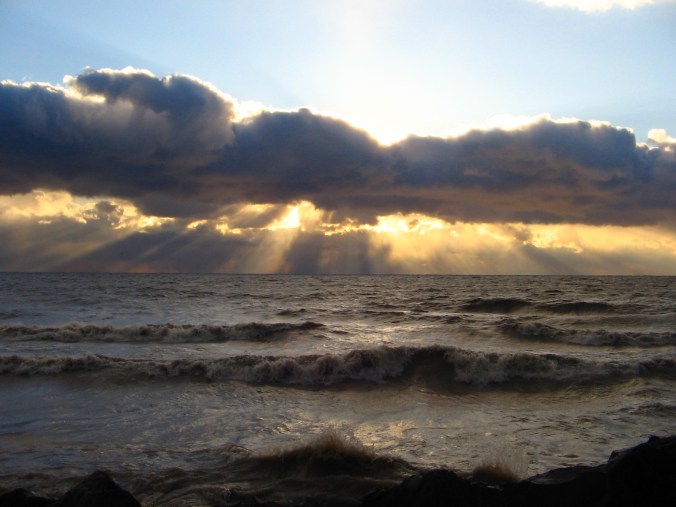
 I lived with a wonderful family in Cornwall in their charming century home. I was a boarder, and although I craved my alone space, being part of a family was a lifeline for me. I was reeling from lost love, self-hate, and being thrown into the open, no longer with any anchor (i.e. school). I felt so utterly lost and confused, and so I started to grasp on to futures, stories, trajectories – anything that would get me away from. . . me. This family believed in me, and it was because of them that I avoided descending permanently into isolated despair as I desperately tried to feel better.
There was – and is – a wiser side to me, to all of us, even in the midst of pain. Some call it the wise, compassionate adult. This part of me would tell me, when I started obsessing over what everyone else was doing, that I was crafting my own story. Given that this was my own story, by nature, it had to be different than anyone else’s. It would tell me that I had the ability – and the choice – to live this story and to rejoice in this story, but that it wouldn’t always be easy. Writing was my lifeline to this part of me, both writing in my journal and writing poetry. Along with my Cornwall family, this adult in me carried me through this pain.
I had much more to learn from this part of me – I still do. The funny part is, the same pain is still with me – the narrative of this pain has not changed, despite my circumstances. I can read my journal from 11 years ago, and it fits the same narrative of my pain today. But the adult part of me, its voice and narrative, has changed and evolved as I’ve grown. I’ve learned to listen to it more closely, and I’ve slowly unraveled its messages. The pain is stagnant – a holdover from my earliest days played out over and over again. I learn little from it, and it yields only more anguish. The wise part of me is forever teaching me, however. The real journey has been to listen and to trust it.
Definitions
Who would I be
If someone approached
And defined me
If I cut my food in the other direction
Asked an invisible thing for protection
Wore my hair a certain way
Raised one finger as if to say
I don’t like you very much.
Who would you be
If you used someone else’s name
And worshipped some god steadily
Except on Tuesdays
But other days
You were a procession, all in flame,
And worldly honour as you played that game
You played it well, and it defined you.
But sometimes, it seemed to me,
That this procession went in circles.
And it got old and silly.
That’s when I turned to look at me
And picked up the pen and wrote discerningly
That’s when I learned to craft my own story
And do away with definitions.
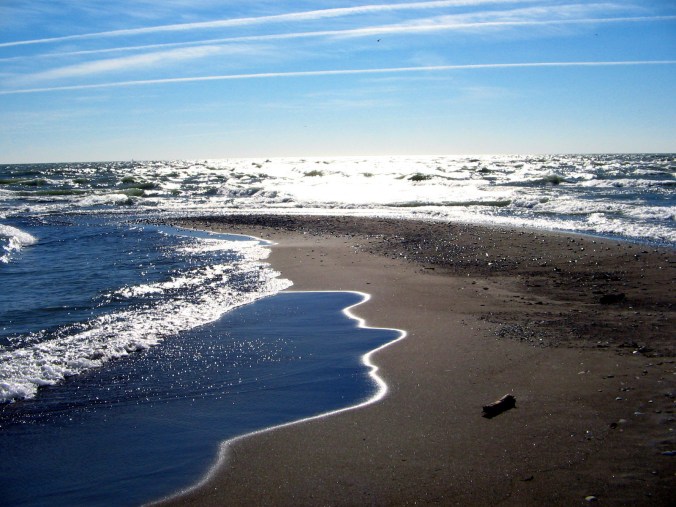
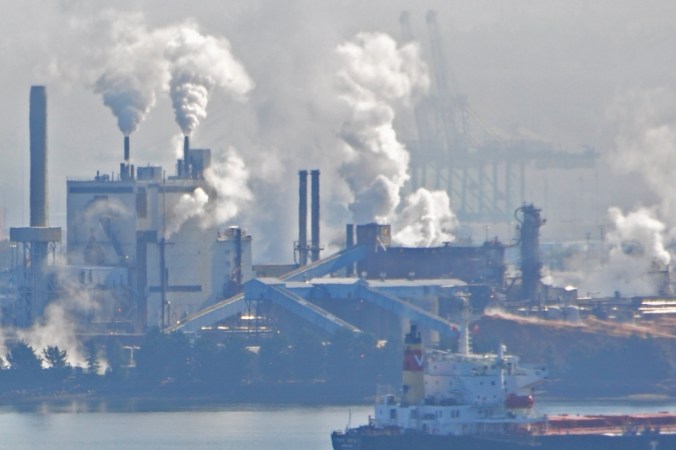 This is the port of the city I live in, Tacoma. I’ve lived in “mill towns” before (Cornwall, ON), although I spent the first 20-odd years of my life in a quiet bedroom suburb of Toronto. I’ve also lived in stunningly beautiful places, including Vancouver, Palo Alto, and southeastern China, which nonetheless are rife with their own issues and problems. There’s something I like about Tacoma and its un-pretentiousness. As much as I prefer the dramatic landscape of Vancouver or the storied grandiosity of Hong Kong, my smaller existence in Tacoma leaves me with quieter space. Not that this quiet is always peaceful – in fact I’ve been struggling greatly here, just as I struggled in Cornwall. Both times (Cornwall was 10 years ago), I was in transition, and filled with anxiety. And both in these kind of depressed industrial areas set amidst pretty landscapes. Looking back at my time in Cornwall, where I was a young, government employee fresh out of undergrad, I relish what it had to teach me, and the growth I experienced. So I look to my time in Tacoma to do the same. Most of all, I am trying to witness and participate in the unfolding of the universe, as Michael Singer (my new favourite author), advises.
 Muse of Tragedy